
Understanding the psychological triggers that drive gambling behavior
The Role of Risk and Reward
One of the primary psychological triggers driving gambling behavior is the intricate relationship between risk and reward. Gamblers often experience excitement when faced with uncertainty, as the prospect of winning amplifies their emotional state. This thrill can lead to a heightened sense of engagement, which some individuals find addictive. The brain releases dopamine, a neurotransmitter associated with pleasure, reinforcing the desire to gamble again. Players who explore the top 10 online casino australia real money can gain insights into how risk can transform into reward and affect their decisions.
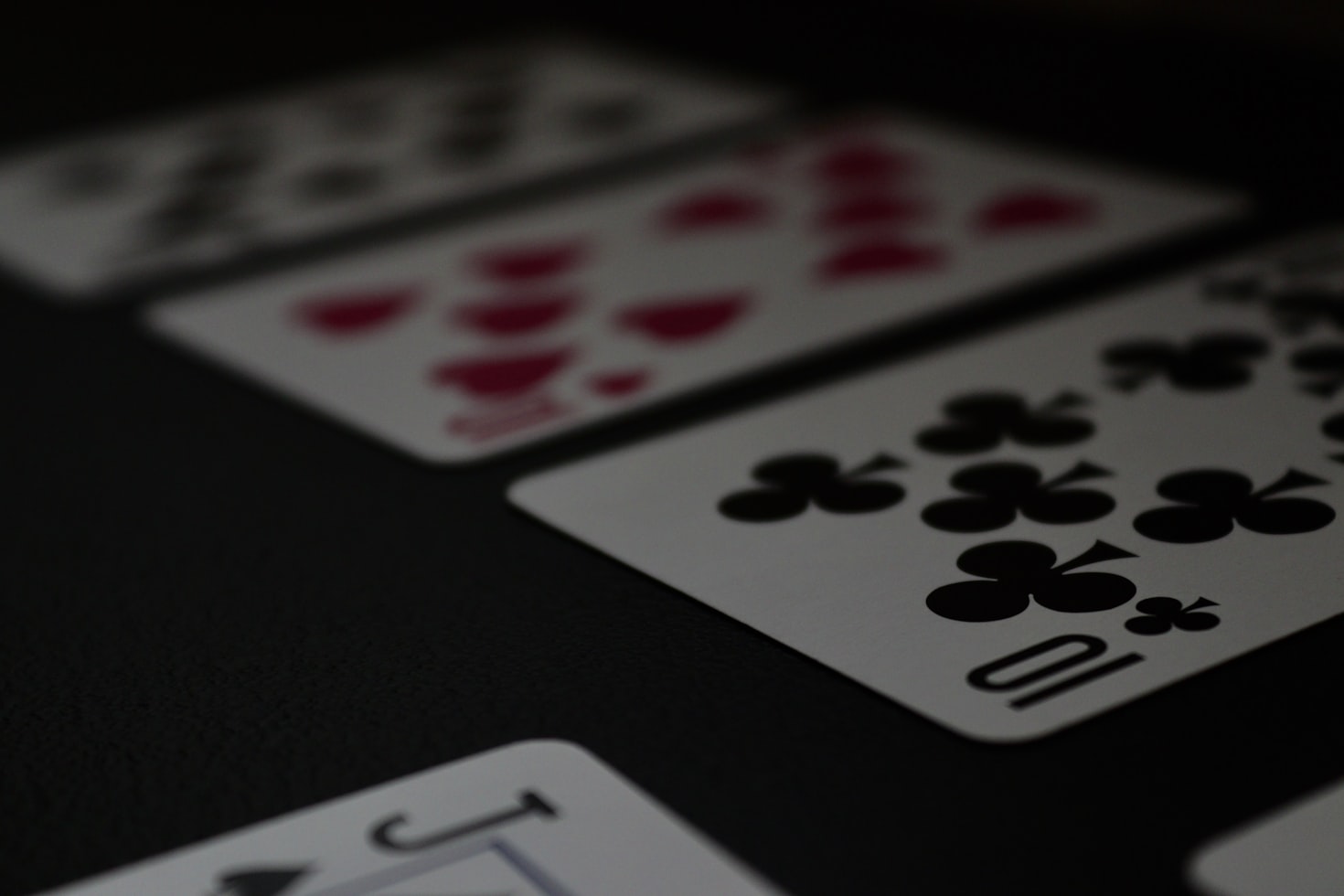
The potential for significant rewards can skew an individual’s perception of odds, leading them to believe they are more likely to win than they actually are. This phenomenon, known as cognitive bias, plays a crucial role in gambling, making people more inclined to place bets despite the actual probabilities stacked against them.
The Influence of Social Factors
Social dynamics significantly impact gambling behavior, as many people are motivated by the desire for connection and belonging. Group gambling activities, such as visiting casinos with friends or participating in online gambling communities, enhance the social experience. This camaraderie can create an environment where individuals are more likely to take risks, driven by the collective energy and excitement.
Moreover, peer influence can amplify a person’s gambling habits. If an individual observes friends winning, they might feel pressured to join in, despite their own misgivings. This social validation can lead to a cycle of increased gambling, where individuals chase the thrill that comes with group participation.
The Impact of Near Misses
Near misses are another psychological phenomenon that can intensify gambling behavior. When players come close to winning—such as landing two matching symbols on a slot machine—they often interpret these near misses as indicators that they are “due” for a win. This misperception reinforces the motivation to continue gambling, as players believe that success is just around the corner.
The thrill associated with near misses activates the brain’s reward system similarly to actual wins, causing individuals to underestimate the losses they incur. This can create a false sense of hope, keeping players engaged and eager to try their luck again, even when the odds are unfavorable.
The Role of Personal Traits
Personal characteristics, such as impulsivity and risk tolerance, also play a significant role in gambling behavior. Individuals with higher levels of impulsivity are more likely to engage in gambling, as they often seek immediate gratification and may overlook potential negative consequences. This tendency can lead to reckless betting and a disregard for personal limits.
Additionally, a person’s attitude toward risk can shape their gambling decisions. Some individuals thrive on uncertainty and enjoy the adrenaline rush of gambling, while others may engage more cautiously. Understanding these traits is vital for developing responsible gambling habits and for identifying those who may be at risk for problematic gambling behaviors.

Finding Your Perfect Online Gambling Experience
For those interested in exploring gambling behavior within a safe and enjoyable framework, finding a reputable online casino is essential. Numerous platforms cater to different preferences, providing various games and betting options. Understanding the psychological triggers that drive gambling can enhance one’s experience, allowing for more mindful decision-making.
When selecting an online casino, it is crucial to consider factors such as user experience, security, and the array of available games. Armed with knowledge about how psychological influences can impact gambling behavior, players can engage in a more balanced and responsible manner, ensuring their gaming remains an enjoyable pastime.